
Choosing the Best Packing Paper and Air Film: A Strategic Logistics Debate
For logistics centers and e-commerce sellers, the choice between paper packaging and bubble wrap is no longer just about protecting the product. It is about balancing three critical pillars: operational efficiency, shipping costs, and sustainability goals. While traditional bubble wrap has long been the industry standard for effective protection, the rapid development of honeycomb paper and paper bubble wrap technologies is reshaping the supply chain landscape.
To make an informed procurement decision, businesses must look beyond the material itself and consider the machinery, storage footprint, and the “unboxing experience” that defines the brand.
The Versatility of Kraft Paper Solutions
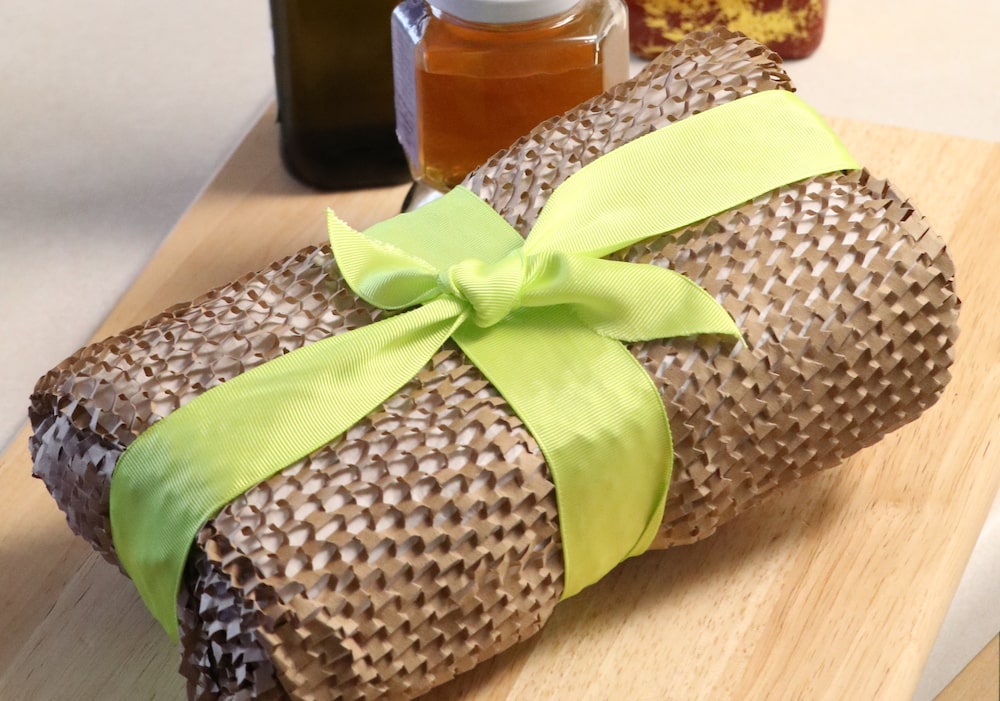
Paper packaging has evolved from simple thin newsprint to today’s high-end packaging solutions.Materials like honeycomb paper offer a structural integrity that rivals plastic. When dispensed through a specialized honeycomb paper dispenser, the 3D hexagonal cells interlock to prevent product migration without the need for adhesive tape. This makes it a preferred choice for cosmetics and houseware brands aiming for a premium, plastic-free presentation.
Another rising star in this category is pressed paper bubble. Unlike flat wrapping paper, this material features deep indentations that mimic the cushioning effect of plastic bubbles. It provides excellent surface protection against scratches and minor impacts. For warehouses, the advantage lies in the form factor: materials like fanfold kraft paper are dense and compact, taking up a fraction of the storage space compared to pre-inflated rolls of bubble wrap.
Key Applications:
Surface Protection: Glassware, ceramics, and painted surfaces.
Void Fill: Locking products in place to prevent shifting inside the carton.
Sustainability: 100% curbside recyclable, meeting strict FSC standards.

When to Stick with High-Performance Air Cushions
Despite the green trend, air bubble film remains indispensable for heavy-duty shipping. The physics of trapped air offers a superior weight-to-protection ratio for extremely fragile or heavy items. The modern approach, however, moves away from buying giant rolls of “pre-filled” bubble wrap, which effectively means paying to ship air.
Instead, B2B operations are shifting toward on-demand air cushion systems. Using a compact desktop machine, flat rolls of HDPE film are inflated right at the packing station. This significantly reduces warehouse storage requirements. If your inventory includes heavy electronics or industrial components that require robust shock absorption, high-performance air bubble film is often the most secure option.
The Hybrid Solution: BioAir Paper Air Bubble
The industry is seeing a convergence of these two worlds. For companies unwilling to compromise on either sustainability or heavy-duty protection, paper air bubble is the game-changer.
Innovations like Ameson’s BioAir combine the mechanical strength of kraft paper with the cushioning power of air. By using a starch-based sealer, this material can be inflated just like plastic film using standard MINI AIR bubble systems, but it remains 100% biodegradable.

Why BioAir is a Strategic B2B Choice:
Reduced Carbon Footprint: It replaces plastic void fill without requiring a complete overhaul of your packing line—it runs on the same machines.
Storage Efficiency: Like plastic film, it ships flat and inflates on demand, saving up to 80% of warehouse space compared to traditional paper rolls.
Customer Perception: It offers the high-tech look of air pillows with the eco-friendly feel of paper, satisfying end-consumers who demand sustainable practices.
Making the Right Choice for Your Production Line
Many efficient warehouses utilize a hybrid approach: packaging materials for wrapping delicate items to enhance presentation, and cushion materials for void fill to ensure shock resistance.
At Ameson, we recommend auditing your current breakage rates and packing times. Whether you need the speed of an air cushion machine or the eco-elegance of a paper bubble system, Choosing the right materials can reduce operating costs while enhancing your brand reputation.


